Satellites / LOGSATS-2
The first proof
The first satellite a Thai private company designed, built, launched, and operated. Before a constellation, before sovereign imagery, EOS Orbit had to prove the whole loop could be closed from Thailand. LOGSATS-2 closed it.
3U CubeSat / launched 2025 / operated 440 days
- Form factor
- 3U CubeSat
- Launched
- January 15, 2025
- Vehicle
- Falcon 9, Transporter-12
- Site
- Vandenberg SFB, California
- Orbit
- Sun-synchronous, ~600 km
- Operated
- 440 days
- Ground contacts
- 870+
- Downlink
- EOS Orbit station, Nonthaburi
Why it mattered
A company new to space has to prove it can do the work before anyone trusts it with more.
LOGSATS-2 was that proof. EOS Orbit designed it, built it in Bangkok, launched it to low Earth orbit, and operated it from the company's own ground station. The whole chain sat inside one company, on home ground, and the spacecraft returned its own data to Thai soil.
Designed and built
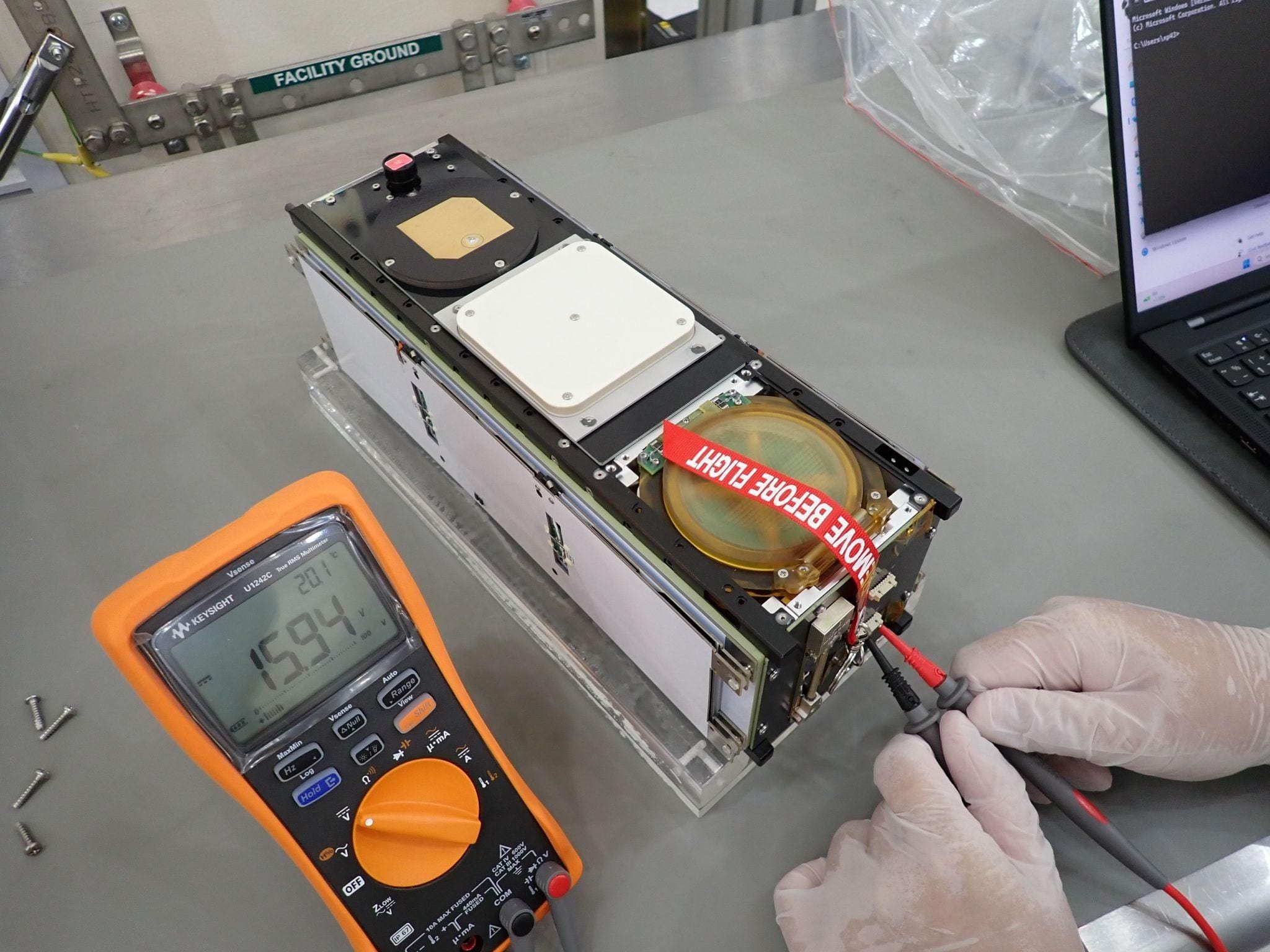
Built end to end in Bangkok
EOS Orbit designed and built LOGSATS-2 in-house: structure, power, avionics, and radio. The spacecraft carried an IoT gateway, an ADS-B receiver for tracking aircraft from orbit, an imaging camera, and GPS. Every subsystem was tested and qualified before it shipped.
3U CubeSat / IoT + ADS-B + camera / qualified in-house
The team
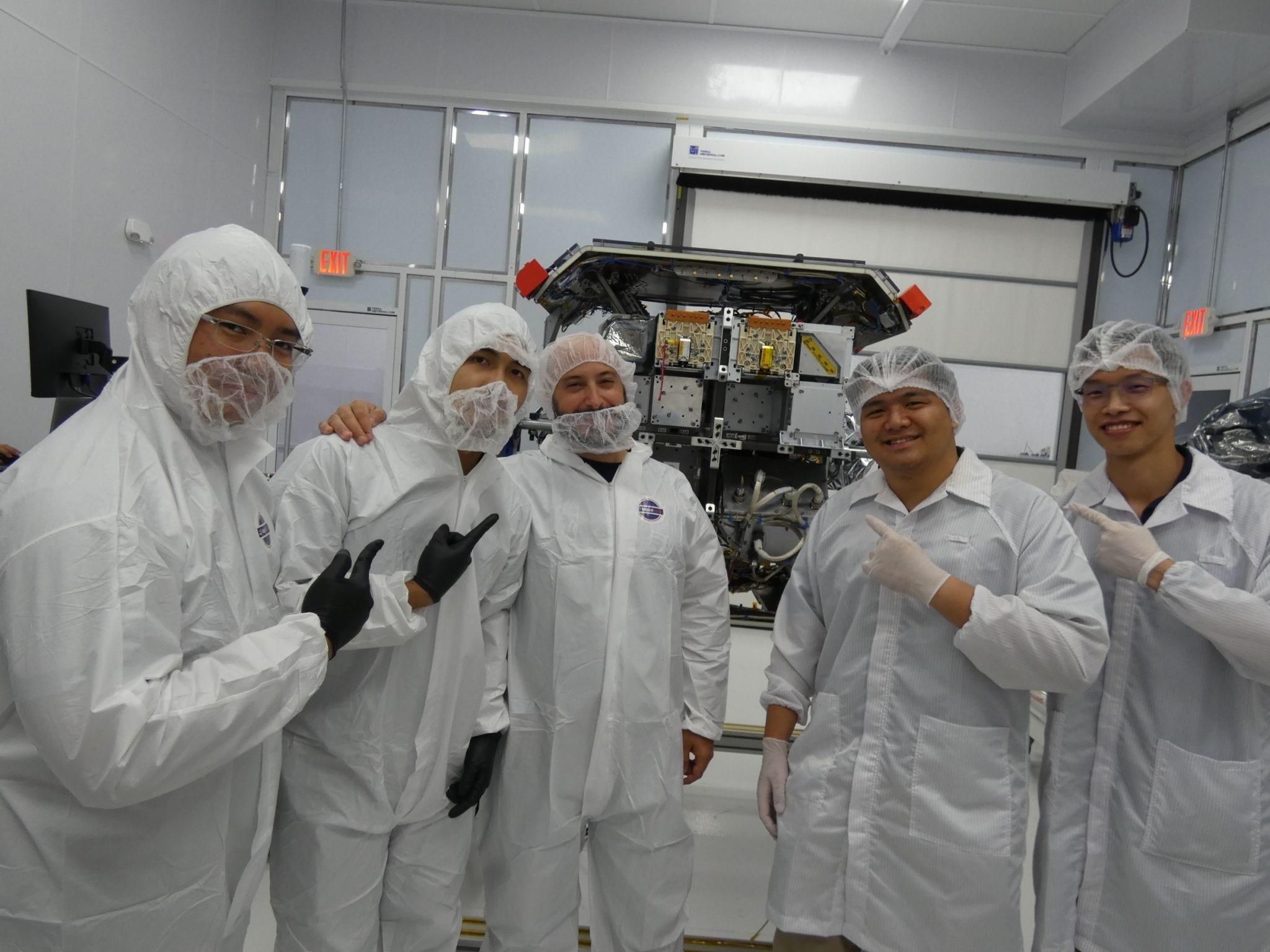
One team, kept in-house
The engineers who designed, integrated, and operated LOGSATS-2 work at EOS Orbit today, building Equarion. The capability did not disperse when the mission ended. It carried straight into the next program.
Bangkok lab / clean room / in-house integration
Integrated and launched
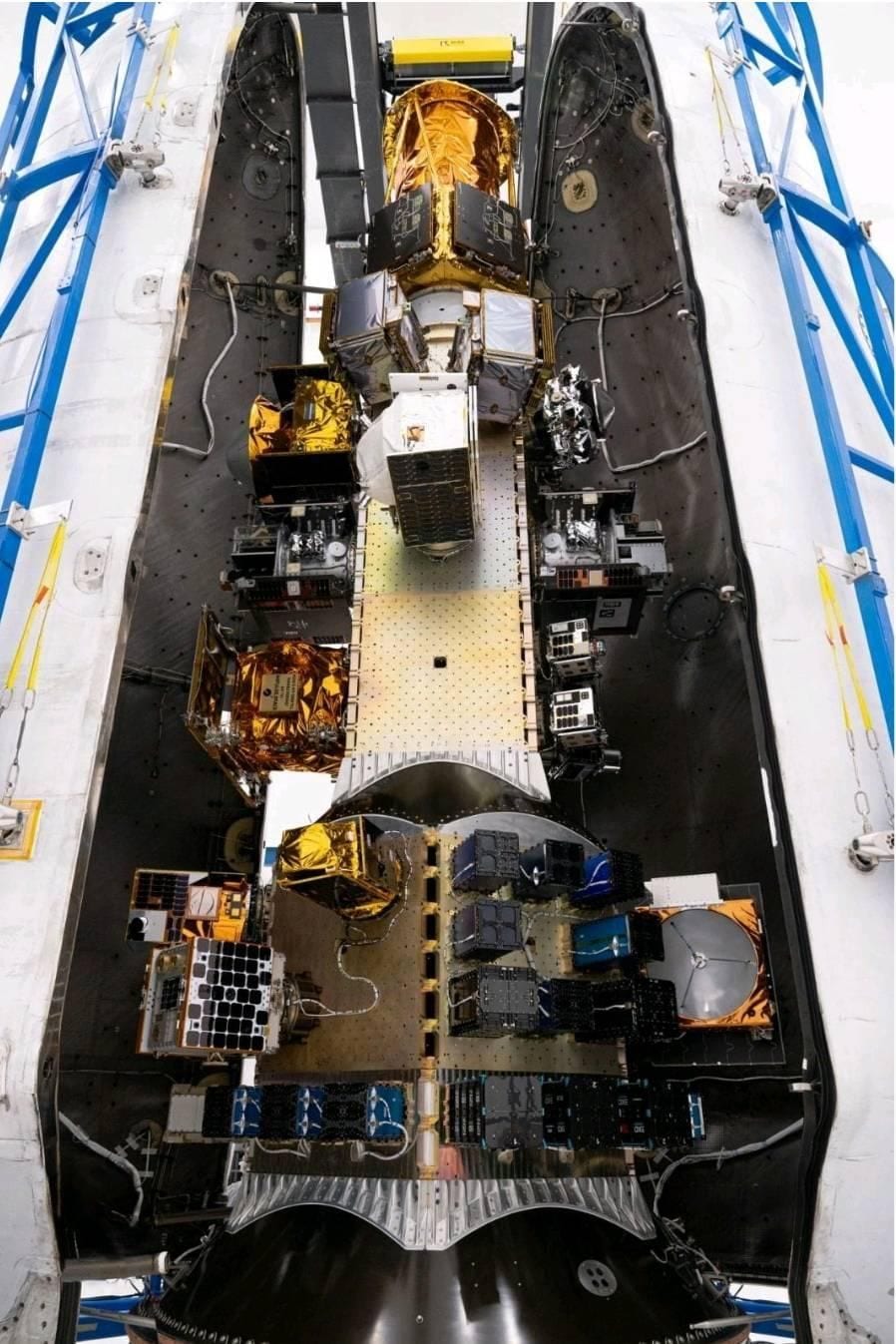
Carried up on Transporter-12
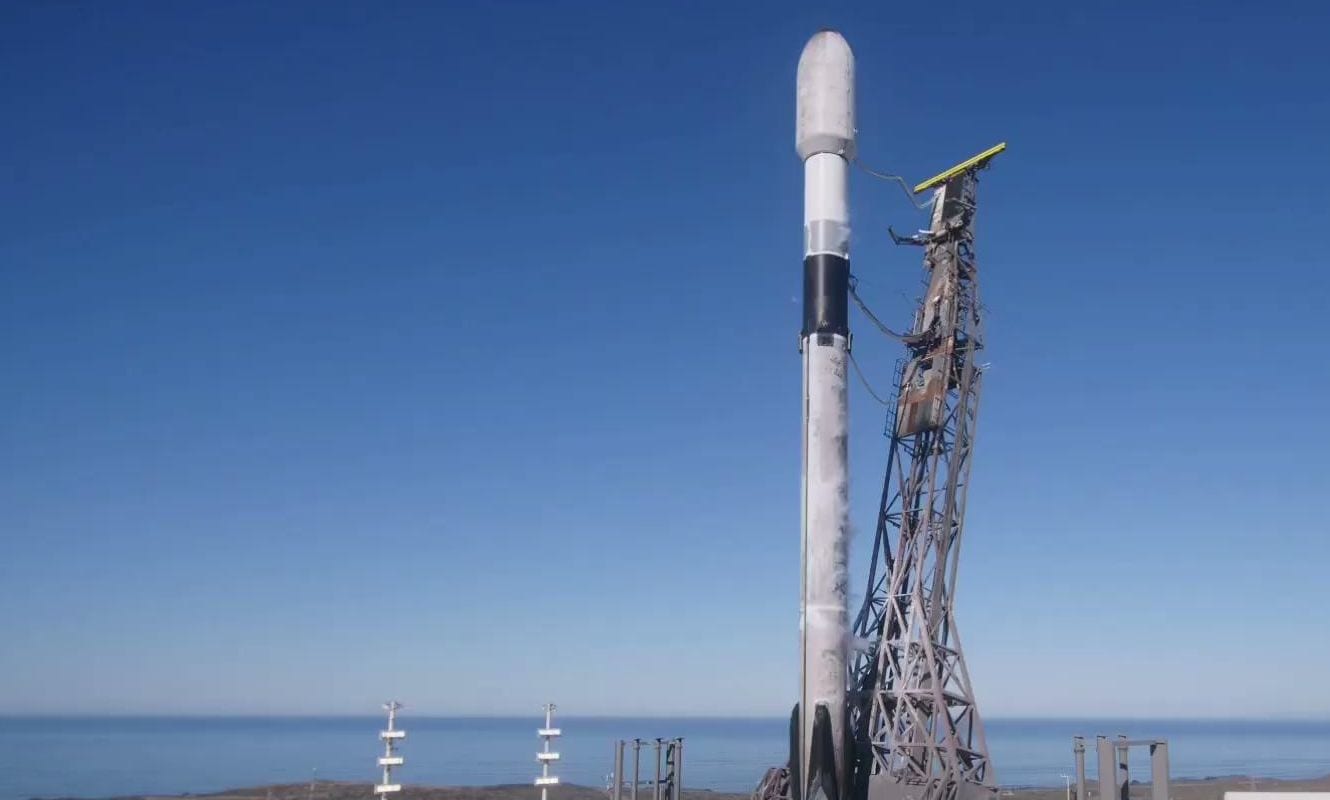
EOS Orbit engineers integrated LOGSATS-2 at Vandenberg Space Force Base in California. It launched on a SpaceX Falcon 9 on January 15, 2025, and made first contact with the ground station in Nonthaburi days later.
Vandenberg SFB / Falcon 9 / 2025-01-15
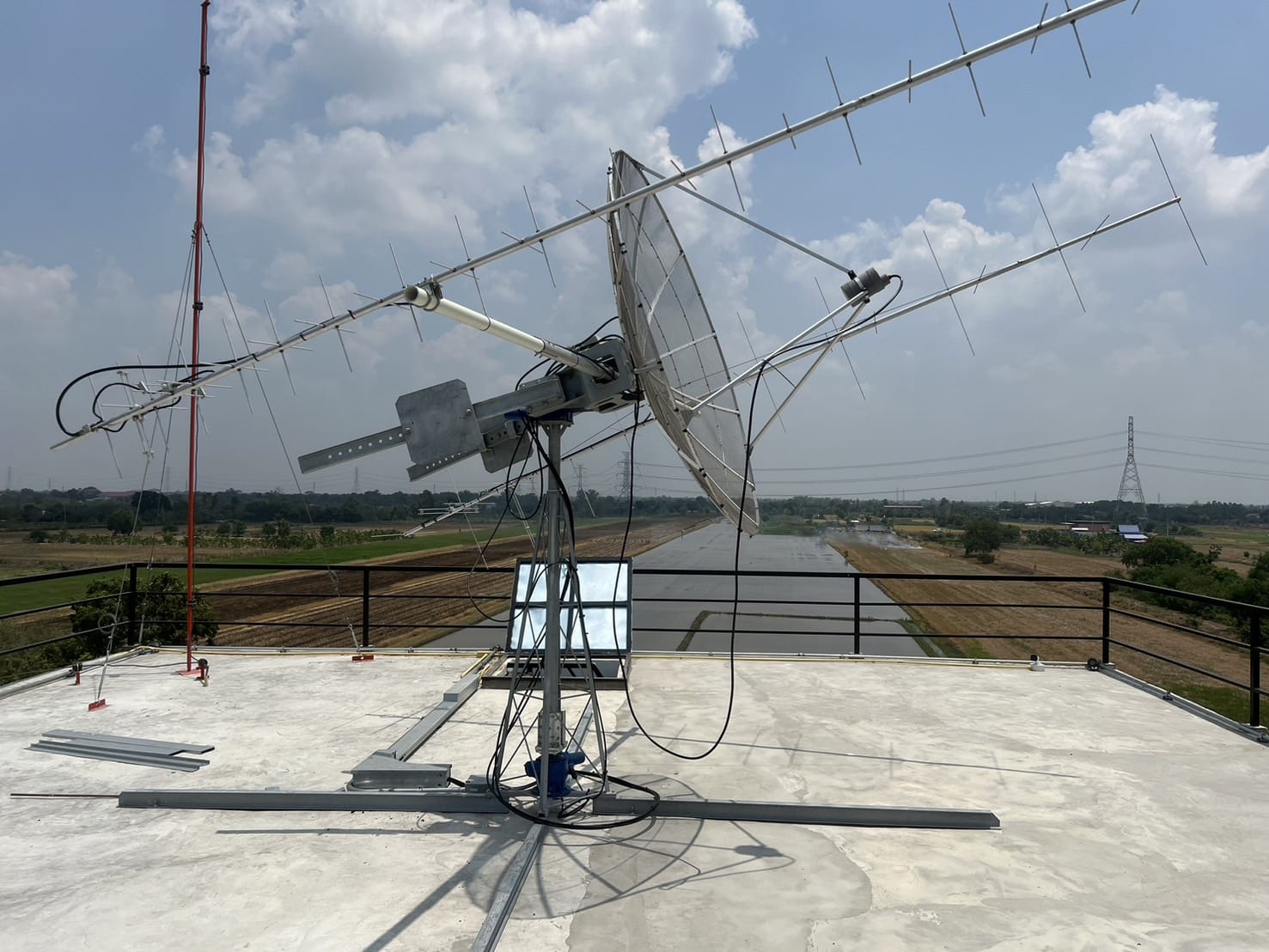
Operated 440 days
Flown from Thai ground
For 440 days, EOS Orbit commanded LOGSATS-2 and pulled its data down through 870 and more ground contacts at the company's own station in Nonthaburi. The command link, the telemetry, and the payload data stayed inside the country.
440 days / 870+ contacts / downlinked in Thailand
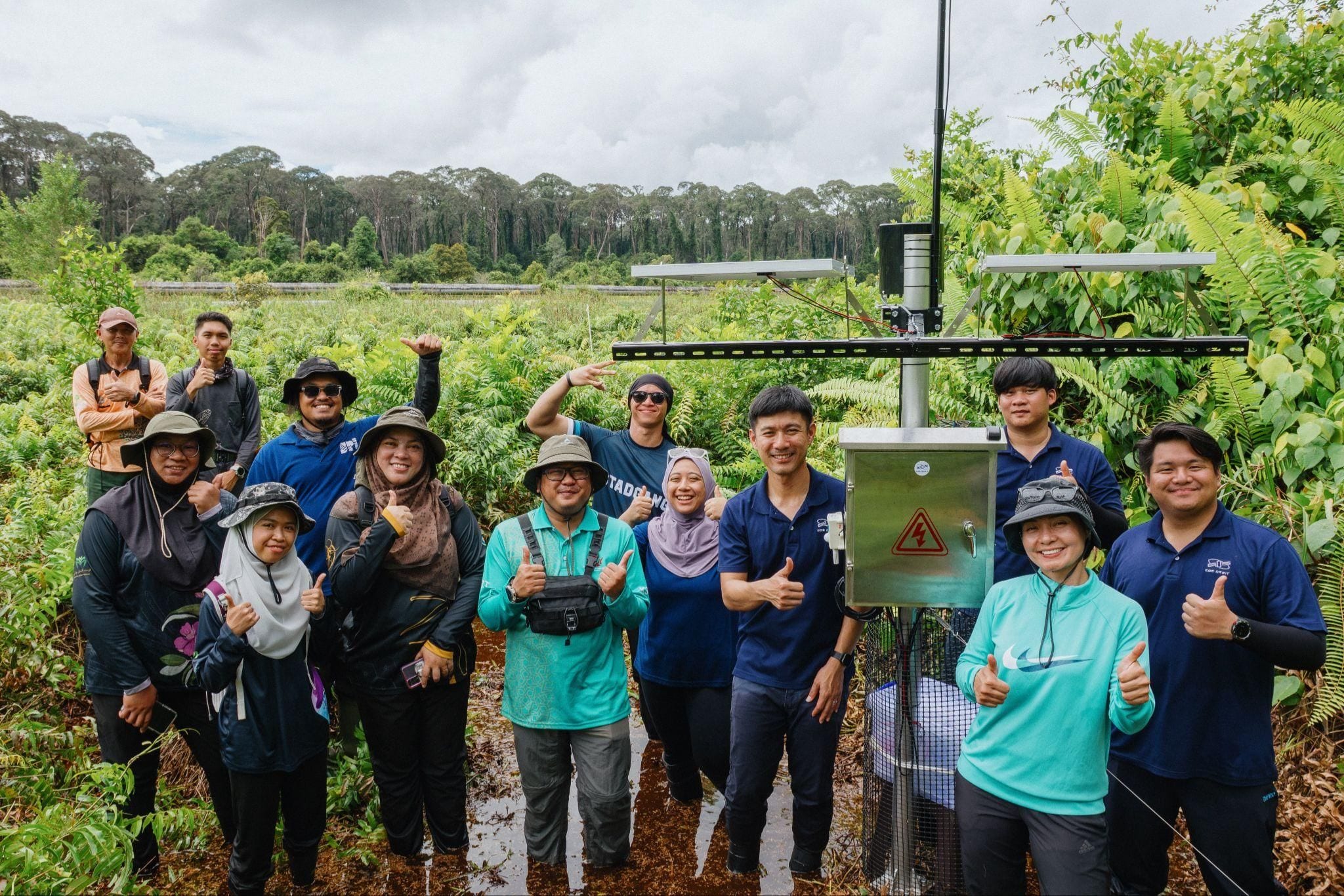
Proven in the field
A working link over Brunei
With SPI BN in Brunei, LOGSATS-2 ran an operational IoT link, relaying daily readings from ground sensors in peat swamp forest where terrestrial networks do not reach. The demonstration moved from orbit to real use in the field.
SPI BN, Brunei / satellite IoT / daily environmental data
Why it has to be EOS Orbit
What a sovereign operator looks like
LOGSATS-2 showed the difference between buying access to space and operating in it.
- Sovereignty
- Command and data stayed in Thailand, downlinked to an EOS Orbit station on Thai soil. Nothing crossed into another country's jurisdiction.
- Integration
- The spacecraft, the ground software, and the operations were all built and run in-house. One operator owned the full stack, not a chain of foreign suppliers.
- Continuity
- The team, the hardware design, and the operating know-how remain in the country that built them, and carry forward into every program that follows.
What it proved, Equarion builds on
The next step is resolution and revisit. Equarion-1, the first of a near-equatorial Earth observation constellation, is in development in the same lab that built LOGSATS-2.
Explore Equarion-1 →Designed, built, and operated from Thailand